 English








Dental implant

Median price · Mexico
€786
Half of the prices are between €670 – €943
from €397 in Turkey
1,789 clinics and professionals compared · Countries compared: 17 · data from October 2026
Median price by country
See table
| Country | Median price | Range p25–p75 | Providers with a price |
|---|---|---|---|
| Turkey | €397 | €276 – €538 | 439 |
| Brazil | €404 | €232 – €716 | 23 |
| Egypt | €449 | €365 – €573 | 22 |
| Vietnam | €565 | €490 – €853 | 96 |
| Romania | €587 | €482 – €641 | 12 |
| Dominican Republic | €602 | €456 – €674 | 25 |
| Georgia | €618 | €397 – €629 | 10 |
| Croatia | €625 | €547 – €750 | 93 |
| Indonesia | €681 | €494 – €802 | 20 |
| Colombia | €712 | €520 – €898 | 42 |
| Spain | €750 | €671 – €902 | 120 |
| Mexico | €786 | €670 – €943 | 503 |
| Costa Rica | €797 | €699 – €891 | 24 |
| Malaysia | €1,212 | €933 – €1,322 | 71 |
| Philippines | €1,235 | €772 – €1,684 | 47 |
| United Arab Emirates | €1,269 | €986 – €1,904 | 20 |
| Thailand | €1,270 | €986 – €1,596 | 222 |
Dental implant · Package price
See table
| Country | Median price | Range p25–p75 | Providers with a price |
|---|---|---|---|
| India | €534 | €377 – €887 | 59 |
| Egypt | €631 | €494 – €953 | 19 |
| Croatia | €1,100 | €901 – €1,375 | 22 |
| Colombia | €1,325 | €1,206 – €1,931 | 24 |
| Mexico | €1,473 | €1,168 – €1,928 | 181 |
| Poland | €1,473 | €1,135 – €1,816 | 21 |
| Costa Rica | €1,583 | €1,460 – €4,873 | 18 |
| Thailand | €1,702 | €1,443 – €1,995 | 66 |
A package price includes more than a single implant: for example the crown or abutment, several implants or a full arch, a hotel or transfers.





Vietnam
€565Median price
96 clinics and professionals compared

Croatia
€625Median price
93 clinics and professionals compared
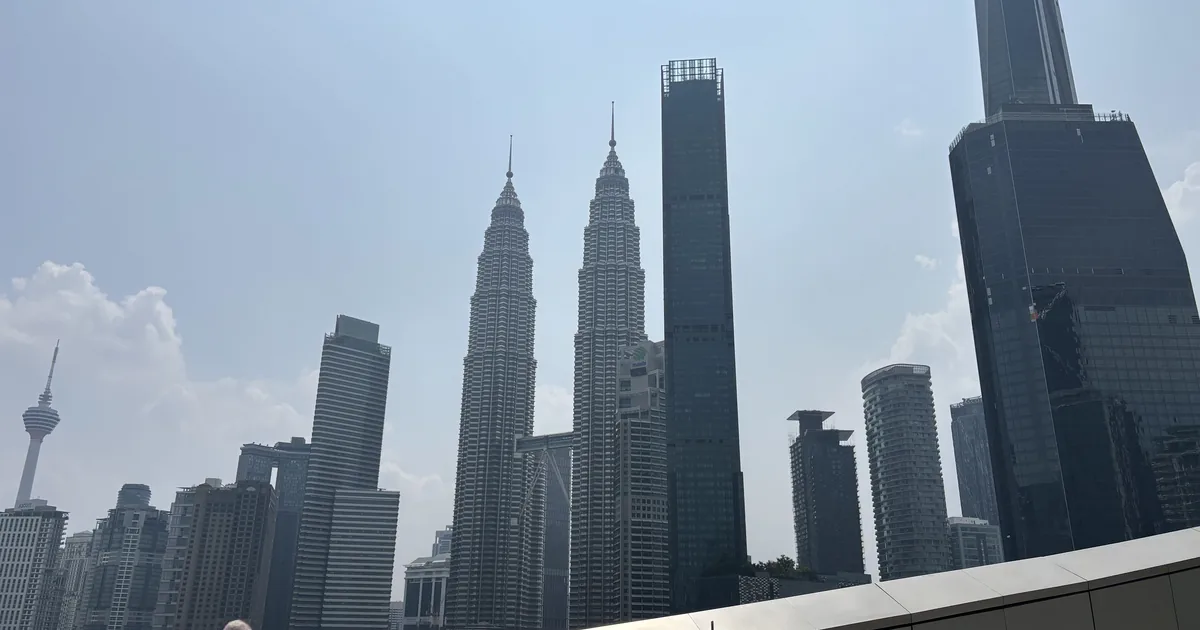
Malaysia
€1,212Median price
71 clinics and professionals compared

Philippines
€1,235Median price
47 clinics and professionals compared

Photo: Flickr Nutzer 96952704@N00 ( NatyRive ) · CC BY 2.0
Colombia
€712Median price
42 clinics and professionals compared

Dominican Republic
€602Median price
25 clinics and professionals compared

Costa Rica
€797Median price
24 clinics and professionals compared

Brazil
€404Median price
23 clinics and professionals compared
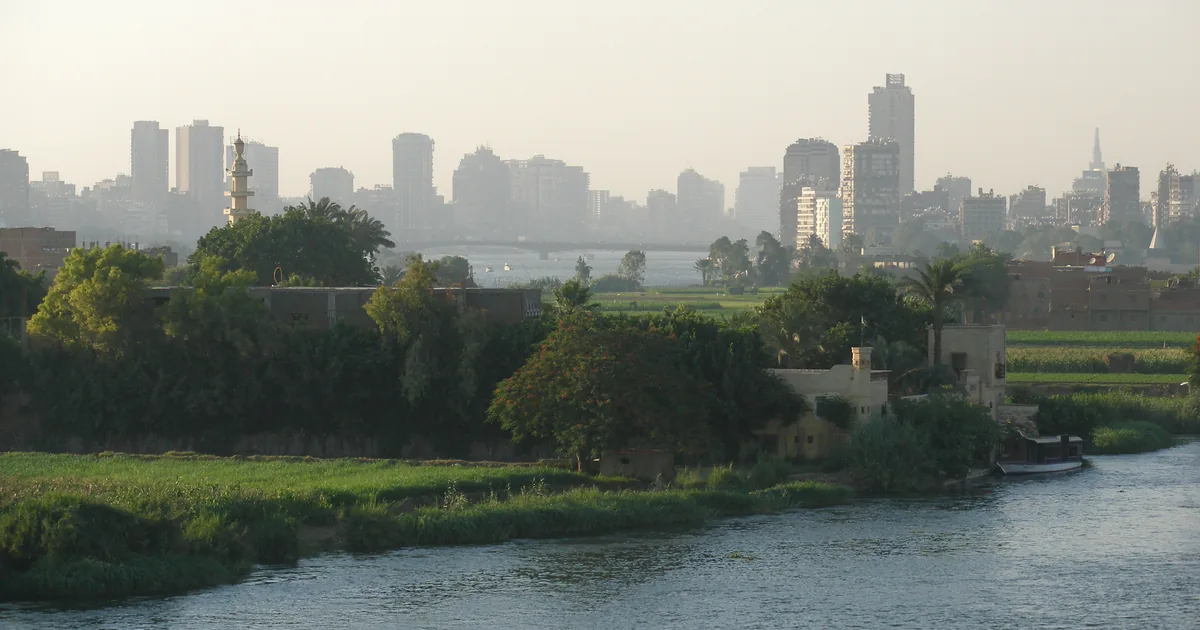
Photo: Vyacheslav Argenberg · CC BY 4.0
Egypt
€449Median price
22 clinics and professionals compared

United Arab Emirates
€1,269Median price
20 clinics and professionals compared
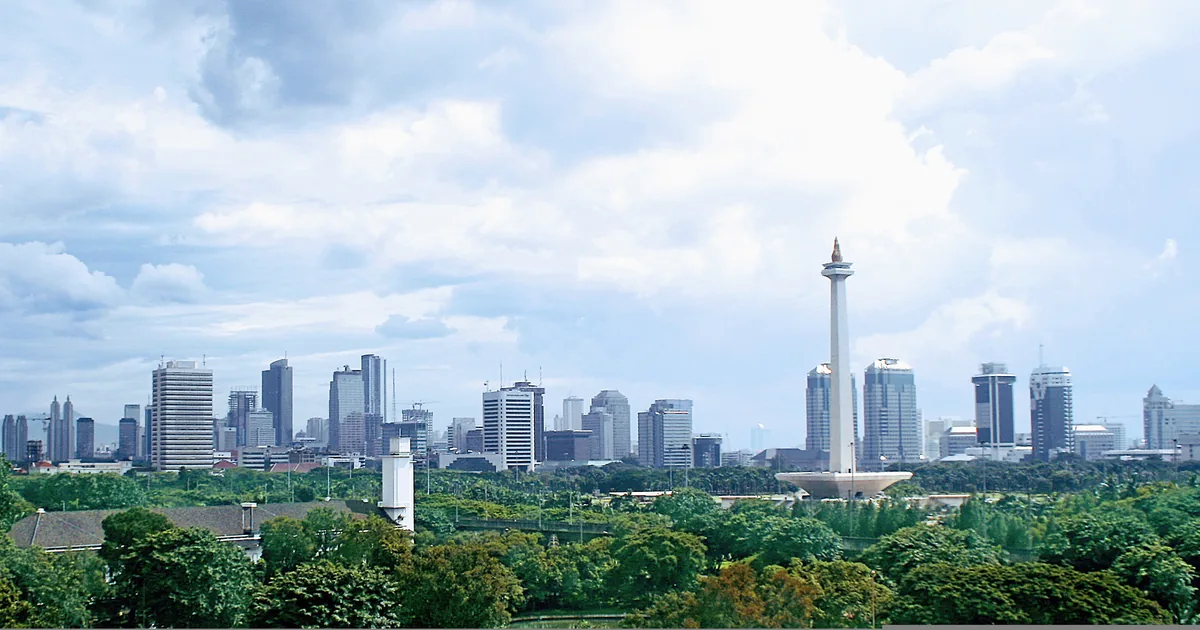
Photo: Gunawan Kartapranata · CC BY-SA 3.0
Indonesia
€681Median price
20 clinics and professionals compared

Romania
€587Median price
12 clinics and professionals compared

Georgia
€618Median price
10 clinics and professionals compared


A dental implant is a titanium screw placed into the jawbone to serve as an artificial root1,2,3. It can be performed as a one-stage or two-stage surgical procedure3.
What it is
A dental implant is a medical device, typically made of titanium or titanium alloy, that is surgically inserted into the jawbone to act as an artificial root2,3. These devices are used to replace a single missing tooth, multiple teeth, or a full arch of teeth1,2. They provide a fixed alternative to removable dentures and can be used to support a crown, bridge, or denture1,3. Additionally, implantable devices may be used for anchorage in orthodontic tooth movement or for maxillofacial prostheses2.
Techniques
The majority of implants are threaded endosseous devices with a tapered or cylindrical shape2. The process involves two main phases: the surgical phase and the restorative phase3.
- Surgical phase: The implant is placed into the jawbone3. This can be done via two different methods:
- Restorative phase: This involves taking a mould of the implant to attach the false tooth, such as a crown, bridge, or denture3.
If there is insufficient bone height or volume, a bone graft using a substitute or the patient's own bone may be required3.
How long it takes
Recovery and time off
During the first few days following surgery, discomfort and swelling may occur, and some discomfort is normal for about a week3. A review appointment is typically arranged around one week after surgery to check healing and remove stitches if necessary3. Patients who use dentures may be unable to wear them for a few days immediately after surgery3. According to the NHS, patients should stay in the country where they had treatment for a suitable length of time to recover before travelling home4.
What the price usually includes
In Metio's data, a «package» price includes more than a single implant: for example the crown or abutment, several implants or a full arch, a hotel or transfers. A «procedure» price is the procedure alone. The two are never mixed in one figure.
Sources
- Dental treatments — NHS
- Dental Implants — FDI World Dental Federation
- Dental implants in restorative dentistry — NHS (Cambridge University Hospitals)
- Treatment abroad checklist — NHS
Like any medical procedure, it carries risks; talk it over with a doctor.